How it sold
The story the house had never been sold on
When a house has been for sale on and off for four years, buyers stop seeing the house. They start seeing a question: what is wrong with it?
Harlington Manor had been with three agents since 2022, two of them national firms. Each agreed a sale. Each sale fell through before exchange. By the time the owners asked us to look at it, the house carried the weight of every buyer who had walked away.
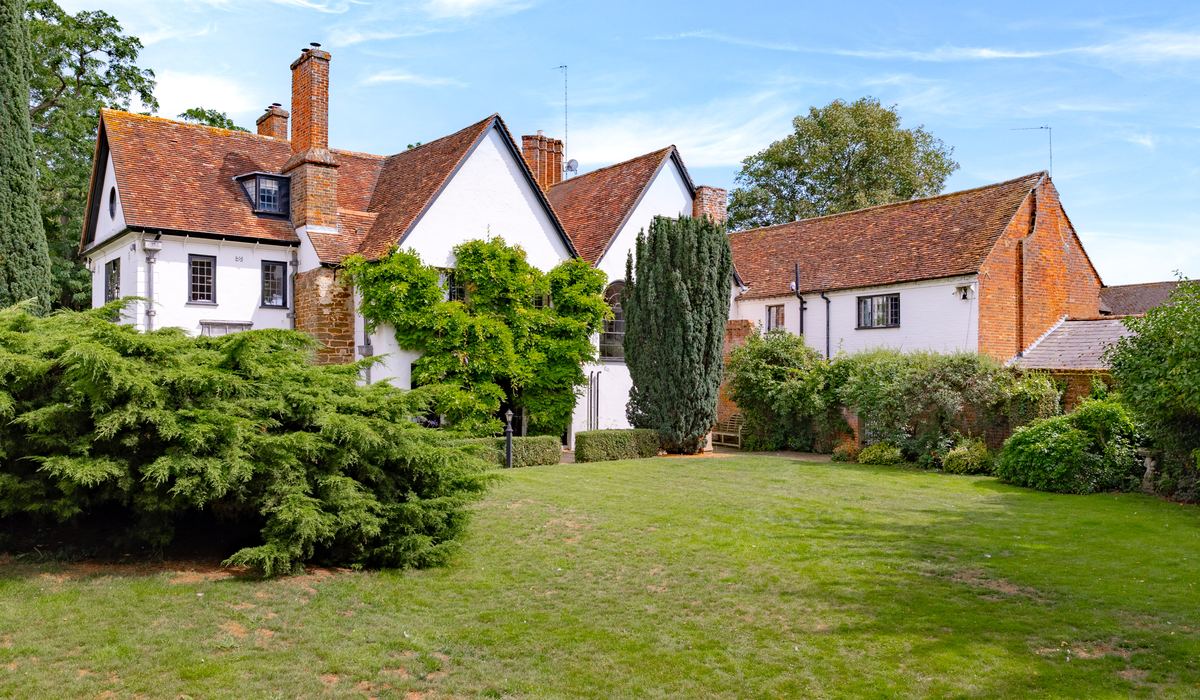
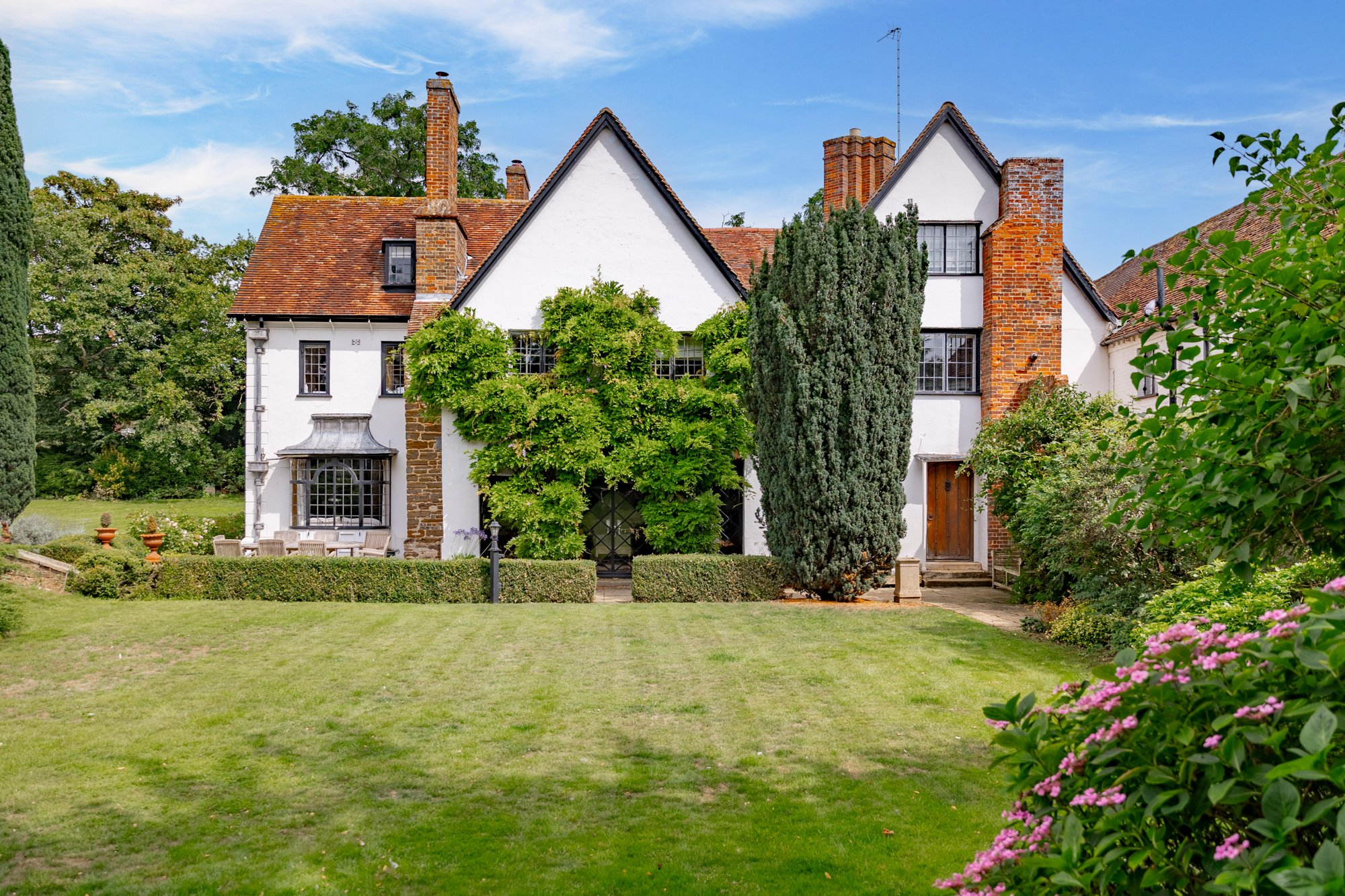
Nothing about the house itself explained that. It is a Grade II* listed manor house in the middle of a Bedfordshire village, in mature gardens, with a history that most country houses can only imply. The problem was not the house. It was what the house had been sold on.
Four years, three agents
A house that keeps returning to the market builds a reputation of its own. Buyers who have watched it reappear assume there must be a reason, and they either stay away or arrive looking for it. Every failed sale makes the next one harder, because it changes the question a buyer brings to the viewing.
The house had been described the way most large homes are described: rooms, acreage, period features. All of it accurate, and none of it a reason to choose this house over another of a similar size. Buyers at this level can always find more bedrooms or more land. What they cannot find twice is a particular history.
What had been missing
In November 1660, John Bunyan was brought to the house and questioned by the magistrate Sir Francis Wingate, who lived there. Bunyan was held there briefly, then sent to Bedford gaol, where he spent most of the next twelve years. He went on to write The Pilgrim's Progress. A blue plaque on the house still records the visit.
A buyer of a house like this is not only buying rooms. They are buying the story they will tell at their own dinner table.
The history runs deeper than that one evening. Historic England lists the house at Grade II*. It has long been dated to the sixteenth century, and more recent study of its timbers suggests parts are older still, possibly the late fourteenth. Inside there are Tudor fireplaces, early seventeenth-century panelling and moulded beams. In 1937, the architect Sir Albert Richardson added a north wing.
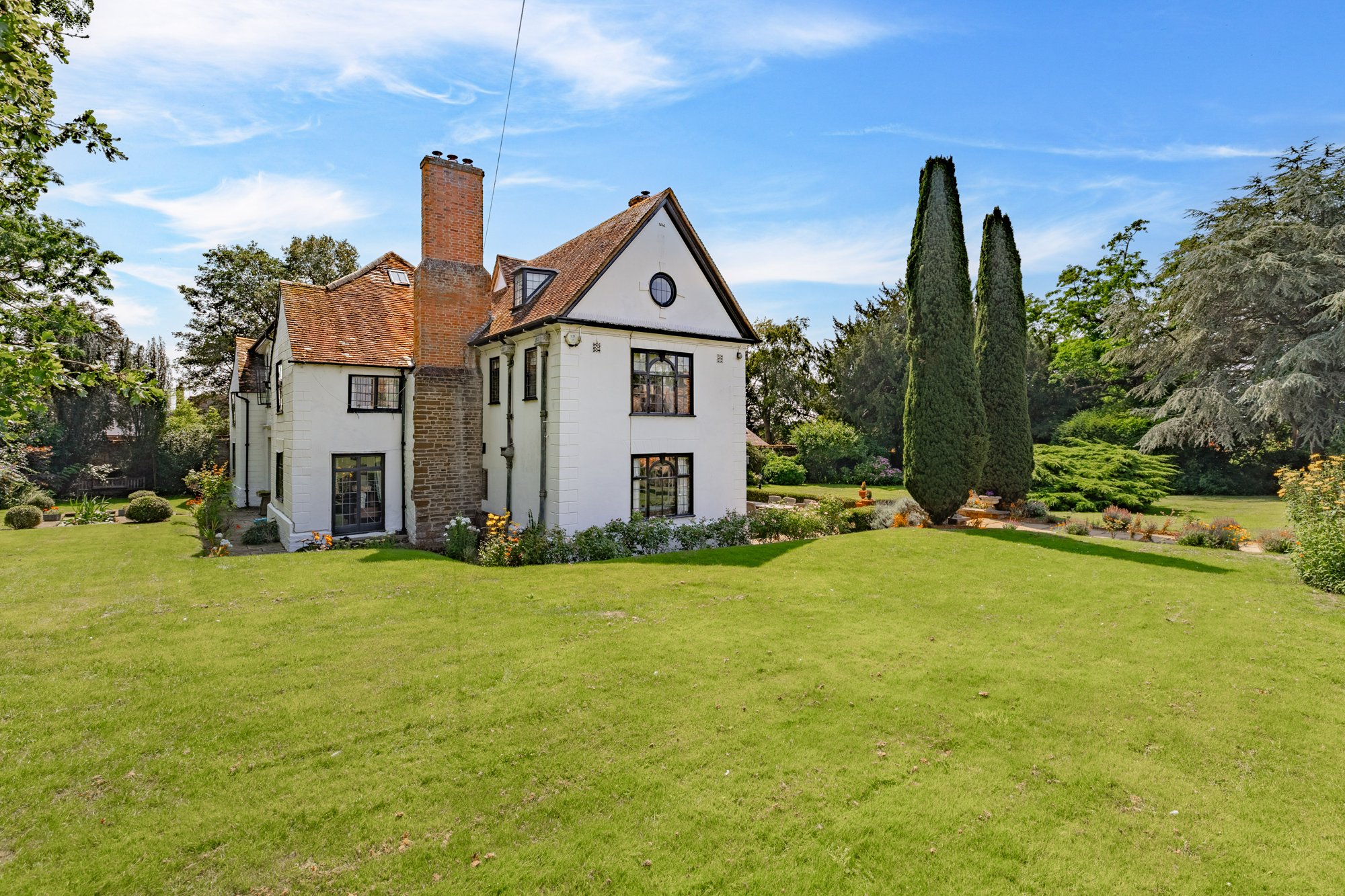
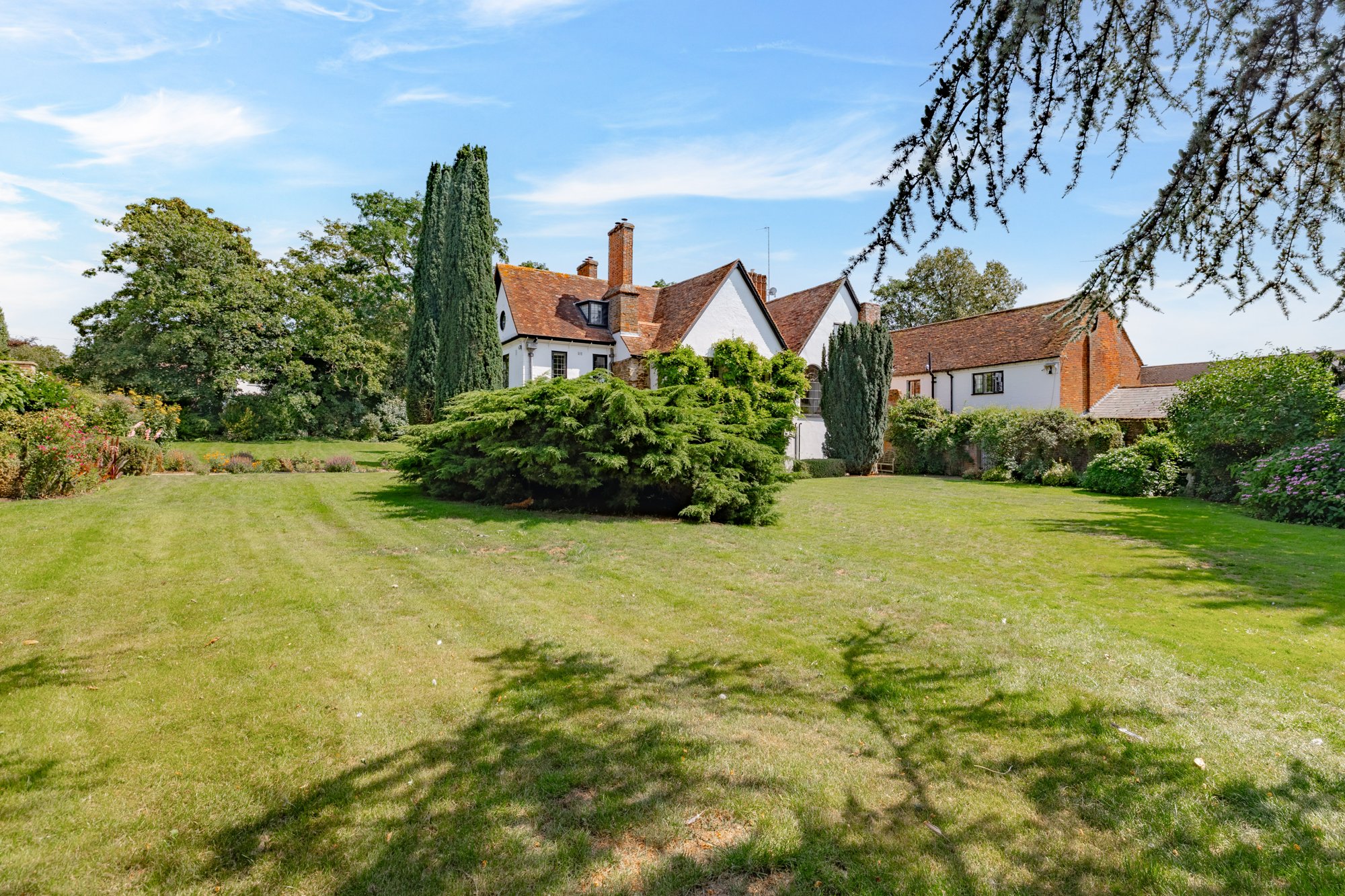
None of this was hidden. Some of it was on a plaque on the house itself. It had simply never been made the point of the sale.
What we did
We restyled, photographed and filmed the house, as we do every home we market. Then we changed what the house was sold on. Its history came first, ahead of its specification, so the first thing a buyer learned was why this house was unlike any other they would see that year.
What happened
Contracts exchanged in September 2026, the first sale on the house to get that far in four years. It has since completed.
Why it works
There is a reason a history moves people more than a specification. A specification invites comparison: four reception rooms here, five there. A story ends comparison, because no other house can offer it. A buyer who falls for a house's history stops asking what is wrong with it and starts asking how to make sure nobody else gets it.
- £604,000
- average price of a detached home in Central Bedfordshire, August 2026
- 0.1%
- change in Central Bedfordshire's average price over the year to August 2026
HM Land Registry UK House Price Index, August 2026.
A history also changes who comes to see a house. A house sold on its specification attracts buyers comparing it with other large homes, who tend to leave over the things every old house has: uneven floors, rooms that are cold in January, a boiler that will need replacing. A house sold on its story attracts people who want that story, and who expect those things as part of it.
At the top of a local market, the averages say little about any one house, which is exactly why the story matters. With prices broadly flat across Central Bedfordshire over the past year, buyers are not being carried along by a rising market. They are choosing carefully, and they need a reason.
What it means for your home
Most homes have something buried in them that buyers would pay for, if anyone told them. It might be a history, an architect, a view that only shows in one season, or a garden someone planted forty years ago. It is the cheapest premium in property, because it costs nothing to add. It only has to be found.
If your home has been on the market before without selling, the house is rarely the problem. The story it was told with usually is.
If you have ever wondered what yours might be, our Pre-Market Report is a good place to start. We prepare it from outside, and visit only if you would like us to.
Request a Pre-Market Report
James Kendall
Founder, James Kendall & Co